Exploring the psychology behind why people love casinos
The Thrill of Chance: Risk and Reward
One of the primary psychological factors that draw individuals to casinos is the thrill associated with risk and reward. The suspense of not knowing whether a bet will pay off taps into a primal instinct for excitement. This uncertainty can trigger the release of dopamine, a neurotransmitter linked to pleasure and reward. As players engage in games of chance, they experience a unique emotional rollercoaster, with highs and lows that create an adrenaline rush. Many are captivated by the chance to win big, similar to the allure of online casinos.
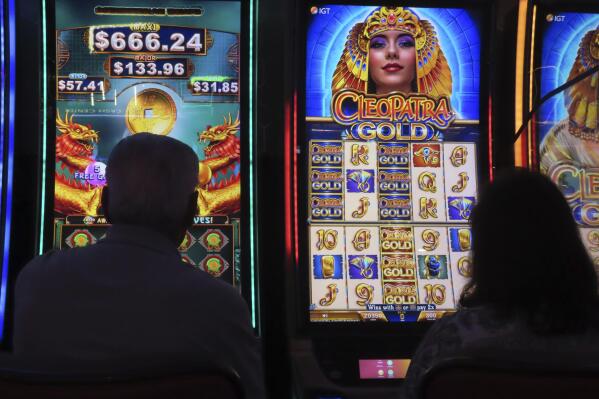
This thrill is not just confined to winning; the very act of playing can be intoxicating. The environment of a casino, filled with bright lights and exhilarating sounds, amplifies these feelings. Players often find themselves entranced by the allure of potential rewards, fostering a sense of hope and aspiration. This combination of excitement and uncertainty leads many to return to the casino, seeking that rush over and over again.
The Social Aspect of Gambling
Casinos are not just places for solitary gambling; they serve as social hubs where friends and strangers alike come together. The communal atmosphere adds a layer of enjoyment, as players can share experiences, celebrate wins, or commiserate over losses. This social interaction is a vital aspect of the gambling experience, offering a sense of belonging and connection.
Furthermore, engaging with others while gambling can enhance the overall experience. Celebrating a big win with fellow players or receiving encouragement from nearby patrons fosters a communal spirit. This social interaction can heighten enjoyment and even lead to lasting friendships, making casinos appealing destinations for those looking to connect with others. It’s clear that the magic of the casino extends beyond the games themselves.
The Escape from Reality
For many, visiting a casino offers an escape from the stressors of daily life. The immersive environment of a casino, away from everyday responsibilities, allows individuals to temporarily forget their worries. This form of escapism can be comforting, drawing people back to the casino in search of solace from their routines.
The façade of luxury and extravagance in casinos can also contribute to this sense of escape. Surrounded by opulence, players can feel like they are part of a different world, one filled with excitement and glamour. This ability to step away from reality, even if just for a few hours, plays a significant role in why many people are drawn to casinos.
Addiction and the Psychological Hook
The same psychological factors that make gambling appealing can also lead to addiction. Casinos are designed to keep players engaged and returning, often employing strategies such as near-misses and rewards that trigger the brain’s pleasure centers. This design can create a cycle that is difficult to break, as players chase the high of a win or the thrill of playing. Understanding this cycle is crucial for those who enjoy gambling recreationally.
It’s important to recognize the signs of addictive behavior and know when to step back. Balancing enjoyment with self-control can help ensure that the thrill of the casino remains a fun pastime rather than a harmful addiction. Responsible gambling involves acknowledging one’s limits and making informed choices.
Learning Opportunities through Educational Platforms
While exploring the psychology of casinos offers fascinating insights into human behavior, it’s important to acknowledge that knowledge is key in all aspects of life, including gambling. Educational platforms such as New Horizons Learning Centres provide resources for personal and professional development, helping individuals enhance their skills and understanding of various subjects, including risk management. This educational foundation is crucial in navigating both gaming experiences and professional environments.
By engaging with educational content, individuals can gain a better understanding of their behaviors, whether in casinos or other aspects of life. This knowledge can empower them to make informed decisions, ensuring that their experiences—whether in gaming or life—are enriching and fulfilling.